
Uncategorized

Why Community Theatre Matters More Than You Think

Why Community Theatre Matters More Than You Think Read Post »

Picture a Friday evening in September. A parent is checking the time between work and rehearsal. A student is running lines in the back seat. Someone else is carrying a box of costumes, a bag of props, or a stack of programs. Across town, volunteers are setting up chairs while performers warm up their voices. No one is there only to watch a show. They've come to help create one. That distinction is at the heart of community theatre. It offers entertainment, but it also gives people a way to participate in the life of their town. Families can share meaningful experiences close to home. Students can learn beside people who have been acting, directing, building, organizing, and supporting productions for years. Adults can contribute their time and talents. Audiences can become part of the work simply by showing up and encouraging the people onstage. Community theatre matters because it turns a performance into a shared responsibility. A local production belongs to more than the cast When a family attends a musical, the experience often begins long before the curtain rises. Maybe they know one of the performers. Maybe a neighbor helped paint the set. Maybe a parent volunteered backstage. Maybe a student they remember from elementary school is now helping lead a scene. That familiarity changes the way people experience a production. The audience isn't watching strangers in a distant venue. They're supporting people they know, in a place that feels connected to their own lives. For families, that closeness can make theatre part of the rhythm of community life. A production becomes a night out, a shared memory, and a reason to invite grandparents, friends, and neighbors along. Children see that the arts aren't something reserved for major cities or professional companies. Storytelling can happen in their own community, with people they recognize. At Wekiva River Players Community Theatre, that local connection has been part of the mission since 1993. WRP has served Seminole County for more than three decades through productions, education, and performance opportunities. The work continues because people choose to take part. Some perform. Some teach. Some build. Some donate. Some fill the seats and cheer. Every role helps make the experience possible. Students learn from the whole community A student in a theatre program learns more than lines, choreography, or how to project their voice. They learn by working with a group of people who bring different skills and perspectives to the same production. Peers teach one another through example. A more experienced performer can help a new cast member find confidence. Students learn how to listen, share focus, solve problems, and support a scene even when they aren't the person speaking. Directors and teaching staff guide the artistic work, but adult volunteers often provide lessons that happen outside a rehearsal plan. A parent may show a student how to organize a costume change. A crew member may explain how a set piece is built. A volunteer may help someone calm their nerves before a performance. These small moments add up. Students also learn from the wider community. They see adults giving their time because they believe the work matters. They learn that a production depends on preparation, reliability, and trust. They discover that confidence doesn't appear all at once. It grows through practice and through the experience of being supported by others. That education extends beyond the theatre. Students become more comfortable speaking up, collaborating, adapting when plans change, and taking responsibility for their part of a larger project. Those skills can serve them in school, future jobs, friendships, and other community settings. The important part is that students don't learn these lessons in isolation. They learn alongside people who care about them and want them to succeed. Theatre creates more than one way to belong Not everyone wants to perform, and community theatre doesn't require everyone to be onstage. A production needs many kinds of participation: Performers bring characters and stories to life. Directors and teaching artists help shape the work and guide the people making it. Crew members handle scenery, costumes, props, lights, sound, and backstage details. Parents and family members provide transportation, encouragement, organization, and practical help. Volunteers contribute time wherever a production needs support. Donors and sponsors help make education and performance opportunities possible. Audiences offer attention, energy, and the encouragement that performers carry with them. Community partners help local theatre connect with the people and causes around it. This range of roles is one of community theatre's greatest strengths. Someone who doesn't want to audition may love working with costumes. Someone who can't commit to every rehearsal may be able to usher, donate materials, or help with a single event. A parent may begin by driving to rehearsals and eventually discover a talent for organizing, sewing, painting, or production support. There isn't one correct way to participate. The invitation is wide enough for people with different schedules, abilities, interests, and levels of experience. That matters for families. Children and parents can take part together without needing to do the same thing. One person may perform while another helps backstage. One family member may donate time while another attends the show. Everyone can have a place in the process. Shared work builds lasting relationships The first rehearsal may bring a group of people into the same room, but the relationships continue after the production ends. People remember the parent who helped with a difficult costume change. They remember the volunteer who stayed late to finish a set piece. They remember the castmate who offered encouragement before an audition. They remember laughing during a long rehearsal, solving a last-minute problem, or seeing a nervous performer find their confidence under the lights. These experiences create a kind of continuity. A student may return for another production with more confidence. A parent may come back to volunteer. A former performer may return as a crew member, mentor, or audience member. A family may build traditions around attending shows and supporting the

Uncategorized

Why We Keep Doing This After 33 Years

Why We Keep Doing This After 33 Years Read Post »

We started in August 1993 with a simple goal. Create a place where stories could be told and families could gather around theatre. Thirty-three years later, that purpose still holds. Over the years, cast lists have changed hundreds of times. Elementary school students who once missed lines in early productions now sit in the audience watching their own children perform. That cycle keeps this work going. Our troupes are not about creating child stars. They are places where students build confidence, learn to speak up, and find out what they can do. The arts are not easy to sustain. Spaces change, funding shifts, and communities grow in new directions. We are still here because people keep showing up. Parents paint flats on Saturdays. Teachers coach music and stage presence. Directors spend their weekends helping nervous newcomers settle in and do the work. That kind of mentorship matters. Good directors do more than teach lines and blocking. They ask questions, help students make choices, and give them room to grow. The lessons from rehearsal stay with people long after a show closes. People ask what keeps us going through load-ins, costume fittings, and late-night meetings. The answer is simple. We see students find their people. We hear a room full of strangers laugh at the same moment. We watch kids grow more comfortable in their own skin. Our staff and educators carry that work every day. They learn students' names quickly. They notice when someone is having a hard day. They make it clear that mistakes are part of learning, then help kids try again. That kind of culture takes patience, humor, and consistency. We are also looking ahead. After years of working out of temporary spaces, WRP now has a permanent home. That gives us room to build, plan, and serve our students and audiences with more consistency. Even with possible changes ahead, our purpose stays the same. If your student is looking for a place to perform, or if you want to support local theatre close to home, our doors are open. We are here because volunteers, donors, families, and students keep choosing this work together. Thirty-three years is a long time to keep building shows out of plywood, paint, and imagination. We keep doing it because theatre gives people a place to work together, tell stories, and grow. That has mattered here since 1993, and it still does.

Uncategorized

What Community Theatre Gives Kids That School Doesn’t

What Community Theatre Gives Kids That School Doesn’t Read Post »

On a Tuesday night in July, one student is running lines in the lobby while another double-checks a prop table. A parent is waiting in the car with dinner for the ride home. Nobody's getting graded. Nobody's earning extra credit. And still, the room is full of kids who want to get it right. That's one of the clearest differences between school and community theatre. School theatre matters. For a lot of kids, it's their first shot at being part of a cast, learning rehearsal basics, and performing for an audience. But community theatre asks for something different, and kids grow in different ways because of it. The biggest shift many families notice right away is the mix of grade levels. In a school production, an elementary student usually works with other elementary students. In our troupes, that same student might share rehearsal space with middle school or high school performers. That changes the room. Younger students see what preparation looks like. Older students learn that leadership isn't a title. It's knowing your material, staying patient, and helping someone else find their place. There's also a difference in why people are there. At school, theatre can be one part of a packed day. In community theatre, kids and families make a choice to be there after school, after work, and on weekends. That changes the energy fast. The cast knows everybody gave up something to be in the room, so they tend to take each other seriously. They learn that being prepared isn't just about their own role. It's about not slowing down a scene partner, missing an entrance, or leaving a crew member guessing. No one has to give a speech about accountability. Rehearsal teaches it on its own. Then there's the work that happens offstage. In plenty of youth programs, adults handle most of the technical side and kids focus on performance. Community theatre usually can't work that way, and that's a good thing. Students start to understand how a show actually runs. They help track props. They move set pieces. They learn what happens backstage when a cue comes early or a costume piece goes missing. That kind of experience builds ownership. They stop seeing the production as something adults are running for them and start seeing it as something the whole group is responsible for. And then the house opens. A school audience usually knows the cast. A community theatre audience often doesn't. It's neighbors, grandparents, local theatre regulars, and people who bought a ticket because they wanted a night out. Kids feel that difference. They know they aren't just standing in front of classmates or familiar teachers. They're part of something public. That pressure can be good for them. Not because it makes them tougher, but because it shows them what they're capable of when people are counting on them. A lot of what kids learn in theatre won't show up on a report card. You see it later. In how they carry themselves. In how they solve a problem before an adult steps in. In how they make room for someone younger and trust someone older. That's the part families tend to remember long after closing night.

Uncategorized

Why Fall is the Best Time to Join a Troupe: Kickstart Your Student’s Best Year Yet

Why Fall is the Best Time to Join a Troupe: Kickstart Your Student’s Best Year Yet Read Post »

Summer might be in full swing, but here at Wekiva River Players Community Theatre, we are already humming the tunes of autumn. If you’ve been around the Central Florida arts scene for a while, you know that we don’t just "put on shows", we build futures. Serving Central Florida continuously since 1993, we are proud to be Seminole County’s longest-running theater ensemble. We’ve seen thousands of students walk through our doors, and while every season is magical, there is something truly transformative about the Fall. As the school year kicks off, students are looking for their "people." They are looking for a place where they can be themselves without judgment, where their "weird" is celebrated, and where they can find a supportive family environment. That is exactly what we provide. Our impact on the local youth is second to none, and we are confident that every Fall season brings meaningful opportunities for growth. The Power of the "Theater Tribe" Let’s be real: starting a new school year can be a social minefield. Whether your student is entering a new grade level in elementary school or navigating the high-stakes halls of high school, having a "home base" outside of school is a total game-changer. Joining a troupe in the fall means your student finds their social 'tribe' early. "My daughter was always the 'quiet kid' in class, but after her first fall season with WRP, she found a group of friends who truly saw her. She didn't just learn lines; she learned that she belongs. It changed her entire outlook on school." , Sarah M. When students join a production in September, they aren't just rehearsing; they are bonding. They are working toward a common goal, solving problems together, and supporting one another through the "pre-show jitters." This community-focused language isn't just marketing talk, it’s the heartbeat of our organization. We aren't just building stars; we are creating a collective benefit for the community by raising confident, empathetic, and collaborative young adults. Confidence That Lasts All Year Long If you want your student to walk into their classroom with their head held high, get them on a stage. Theatre is the ultimate confidence-builder. We are confident that the skills learned in our troupes, public speaking, emotional intelligence, and resilience, carry over directly into academic success. Research shows that students involved in the arts are more likely to be recognized for academic achievement. But beyond the grades, it’s about the transformation and growth. By starting in the fall, students get to carry that "post-show glow" and the lessons of the stage through the entire academic year. They learn that they can tackle hard things, handle feedback, and shine under pressure. A Family-First Environment What truly sets Wekiva River Players apart is our commitment to a family-first environment. When you join WRP, you aren't just signing up for a class; you are joining a community that gives back. We pride ourselves on donating our time, money, and talent to local causes, and we encourage our students to do the same. We are Seminole County's longest-running theater ensemble for a reason. We believe in the power of the arts to change lives, and we are dedicated to providing top-notch theatrical entertainment and education for decades to come. Secure Your Student's Future Today Don’t wait until the school year has already started to think about after-school activities. Give your student the gift of confidence, community, and creativity. We are confident that a season at WRP will be the highlight of their year.

Uncategorized

From Script to Life: How Acting Lessons for Teens Build Future Leaders

From Script to Life: How Acting Lessons for Teens Build Future Leaders Read Post »

At Wekiva River Players Community Theatre, we aren't just putting on plays; we are building the leaders of tomorrow. Since our inception, we have stood as the longest-running community theatre in the area, serving the Longwood and Wekiva communities continuously since 1994. When we talk about our youth theatre troupe programs, we often mention our "secret sauce." It isn’t just about the applause or the costumes; it’s about the transformative power of the performing arts for kids and how the stage serves as the ultimate laboratory for life. We are confident that our training is second to none because we don't just teach students how to act; we teach them how to lead, collaborate, and thrive in a world that demands high-level communication and unwavering confidence. Future Leaders Start Here For many families, acting lessons for teens can look like a creative extracurricular. In reality, they are a serious training ground for future leaders. A script asks students to analyze motivation, solve problems, make decisions under pressure, and communicate clearly in front of other people. That is not fluff. That is critical thinking in action. In our Middle School and High School troupes, students learn how to command the room with voice, posture, timing, and presence. They learn how to read subtext, interpret direction, and make smart choices in real time. They also learn how to stay calm when live performance gets unpredictable, because sooner or later, a prop goes missing, a cue changes, or somebody skips a line. In those moments, students are not guessing. They are learning how to master a complex system and respond with confidence. Building the "Secret Sauce": Confidence, Communication, and Clear Thinking The "secret sauce" at Wekiva River Players is the explosion of self-assurance that happens between the first read-through and opening night. Public speaking is often cited as one of the biggest fears adults have, yet our students start working through it long before graduation. Along the way, they develop the kind of soft skills that top colleges and employers actually notice. By engaging in acting lessons for teens, students learn to: Command a Room: Through vocal projection, clear diction, and physical presence, they learn how to walk in, speak up, and be heard. Think Critically: Every character choice, scene adjustment, and rehearsal note requires analysis, interpretation, and decision-making. Listen with Intent: Strong leaders pay attention. Onstage and off, students learn that effective communication starts with actually hearing other people. Adapt Under Pressure: Live theatre has zero pause button, which means students get very good at solving problems without spiraling. Handy life skill, honestly. One parent, David L., shared his experience with us: "My son was always the quiet one in the back of the classroom. After joining the WRP High School troupe, the change was night and day. He didn't just become a better performer; he became a more confident person. He recently led a group project at school and his teacher mentioned his 'natural leadership ability.' That didn't come from a textbook; it came from the WRP stage." Precision, Logic, and High-Stakes Problem-Solving In a world that is increasingly digital, the performing arts for kids offer something rare: a live environment where focus matters, choices matter, and timing really matters. At WRP, we foster a family-first atmosphere where every student is part of something meaningful, but we also challenge them to understand the craft at a deeper level. For boys and teens who are drawn to systems, structure, and figuring out how things work, theatre has a lot more logic in it than people expect. Stagecraft requires precision. Performance requires timing. Rehearsal requires memory, pattern recognition, and problem-solving. Students start to see how blocking, lighting, sound, movement, and dialogue all fit together into one intricate machine. And yes, there is something pretty cool about learning how to make that machine run smoothly in front of a live audience. Take our upcoming Annie Jr. Summer Camp Workshop and our Fall 2026 production registrations. They are a fantastic example of how students grow through challenge, structure, and creativity. Whether they are stepping into summer rehearsals or preparing for School of Rock (Middle School), Wonka Kids (Elementary), and The Little Mermaid (High School), students are building more than performance skills. They are building focus, poise, empathy, and the confidence to handle pressure when the spotlight is very real and very bright. Real Stories of Transformation We see life-changing impacts every season. Our youth theatre troupe isn't just a place to hang out after school; it’s a place where social barriers disappear. "Wekiva River Players gave my daughter a tribe. She learned that being a leader doesn't mean being the loudest person; it means being the most supportive. The resilience she learned after a tough rehearsal has helped her navigate the stresses of high school with a level of grace I didn't expect." , Maria G. (Names changed for privacy; based on real WRP stories and feedback) We are dedicated to providing a safe space where students can fail, try again, and eventually succeed. This cycle of growth is what creates resilient future leaders. We don't just want our students to be great actors; we want them to be the best versions of themselves in whatever career path they choose. The Skills That Matter Long After Curtain Call When colleges or employers look at a resume, they are not just looking for grades and test scores. They are looking for students who can speak clearly, think critically, work through pressure, and understand other people. In other words, they are looking for the very soft skills that are often the hardest to teach. Our programs help students develop: Empathy: Stepping into someone else's perspective and learning how to understand people with depth and nuance. Public Speaking: Communicating with clarity, confidence, and presence in front of a room. Critical Thinking: Making smart decisions, analyzing text, and adjusting in real time when circumstances change. Problem-Solving: Handling live-performance surprises with calm, logic, and creativity. We are giving back

Uncategorized

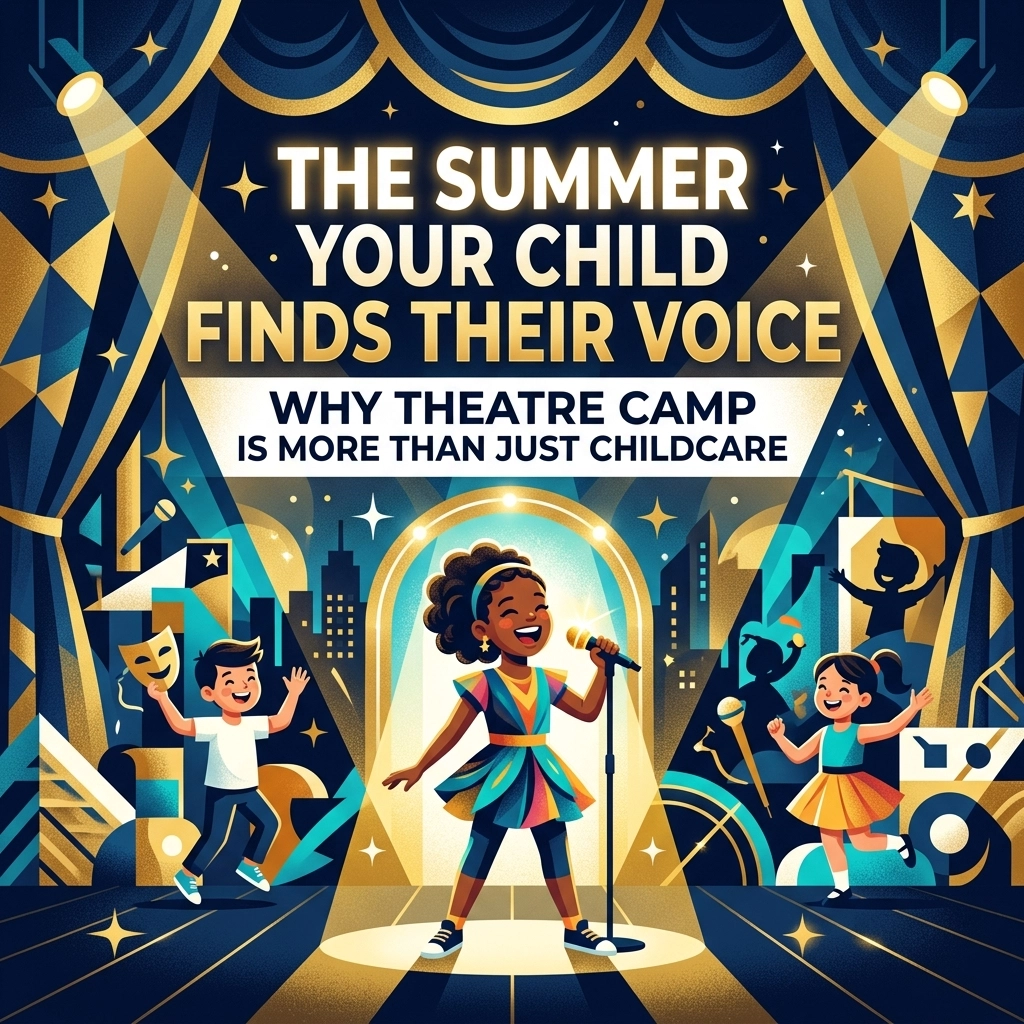
The Summer Your Child Finds Their Voice: Why Theatre Camp is More Than Just Childcare

The Summer Your Child Finds Their Voice: Why Theatre Camp is More Than Just Childcare Read Post »

Wekiva River Players (WRP) has been the heartbeat of Central Florida’s performing arts scene continuously since 1993. As the longest-running community theatre in our region, we have spent over three decades proving that the stage is more than just a place for costumes and greasepaint: it is a training ground for life. When parents search for community theatre near me or kids theatre programs, they are often looking for a way to keep their children occupied during the long summer months. However, what we provide at WRP is something second to none. Our upcoming Annie Jr. Summer Camp, starting July 6th, is designed specifically to be the antithesis of "just childcare." While daycare might keep a child safe and supervised, our children's acting classes and musical intensives are designed to transform them. We are confident that the time spent within our walls this July will yield a fantastic return on investment in the form of increased confidence, sharpened social skills, and a level of resilience that serves them long after the final curtain falls. The WRP Difference: Building a Foundation for Life At Wekiva River Players, we believe that theatre is the ultimate classroom. Whether your child is entering 3rd grade, heading into middle school, or just finished the 8th grade year, the skills they learn during our musical theatre classes for kids are universal. We don’t just teach them how to hit a high note or find their light; we teach them how to stand tall in a world that often demands they stay quiet. We are the premier destination for theater productions in Central Florida because we prioritize the individual growth of every performer. Our staff consists of top-notch professionals who understand that for a child, walking onto a stage for the first time is an act of immense bravery. Why Annie Jr. is the Perfect Summer Launchpad Choosing Annie Jr. for our July 6th camp was a deliberate move. It is a story about perseverance, optimism, and finding where you belong. These are the exact themes we emphasize in our family theatre activities. As our campers work through the rehearsals, they aren't just memorizing lines; they are learning the "Hard Knock Life" of teamwork and the "Tomorrow" of looking forward to challenges with a smile. Participation in our summer camp offers a great deal of personal development. We see it every year: kids who arrive on Monday morning hesitant to make eye contact are, by Friday afternoon, leading group warm-ups and supporting their peers. This is because the WRP environment is built on collective benefit. We succeed together, or we don't succeed at all. Not Just for the Girls: The "Cool Factor" for Boys in Theatre There is a common misconception that theatre is a "girls' club," but at Wekiva River Players, we know that some of our most impactful performers are the boys who bring character and energy to the stage. We want to be clear: theatre is for everyone, and there is a specific kind of "cool factor" that comes with being a male performer in a production like Annie Jr. Think about it: theatre is remarkably similar to a high-stakes sports team. You have a coach (the director), a playbook (the script), and a team that relies on every single person to play their position perfectly. For boys, theatre offers: The Thrill of Character Acting: Whether playing the billionaire Rooster or a member of the NYC ensemble, boys get to experiment with different personalities, physical comedy, and commanding a room. A Competitive Edge in Public Speaking: Long after the camp ends, the boys who have graced our stage find they have a leg up in school presentations and future job interviews because they’ve already conquered the "Big Stage" jitters. Teamwork and Brotherhood: The bond formed backstage between "the guys" is just as strong as any locker room bond. They learn to support one another, hit their cues, and celebrate their collective victories. We encourage parents of boys in elementary and middle school grades to give them the gift of theatre this summer. It’s not about "being a star"; it’s about becoming a well-rounded, confident young man who isn't afraid to take risks. From Rehearsal to Resilience: Handling the Pressure One of the most valuable things we teach at WRP is how to handle a "mistake." In a live performance, things happen. A line is dropped, a prop breaks, or a lighting cue is missed. In our kids theatre programs, we teach our campers that the show must go on. This builds a unique brand of real-world resilience. When a child realizes they can navigate a small stumble on stage and still receive a standing ovation, their perspective on "failure" in school or sports changes forever. They become bold, decisive, and capable of thinking on their feet. This is why we say WRP is more than just childcare: it's a resilience incubator. "People often ask why we pass up other programs to get to WRP. It's because the Wekiva River Players treat these kids like artists, not just students. The standards are high, but the support is even higher. It’s a family, plain and simple.": Jason K., WRP Parent A Legacy of Excellence in Central Florida Our history in the community is something we hold dear. Since 1993, we have been committed to providing top-tier performing arts education. Many of the students who started with us in elementary school troupes are now bringing their own children to our children's acting classes. This legacy is a testament to the enduring quality and community spirit of WRP. When you enroll your child in the Annie Jr. Summer Camp, you are joining a lineage of local talent. You are choosing a program that has stood the test of time and continues to evolve to meet the needs of today's youth. We are confident that our summer programs remain the best in the region, offering a balance of fun, discipline, and artistic discovery. Join the WRP Family This

Uncategorized
Scroll to Top